


An Introduction to Scouting
The Scouts is the UK’s largest youth organisation, we believe in preparing young people with skills for life. We encourage our young people to do more, learn more and be more.
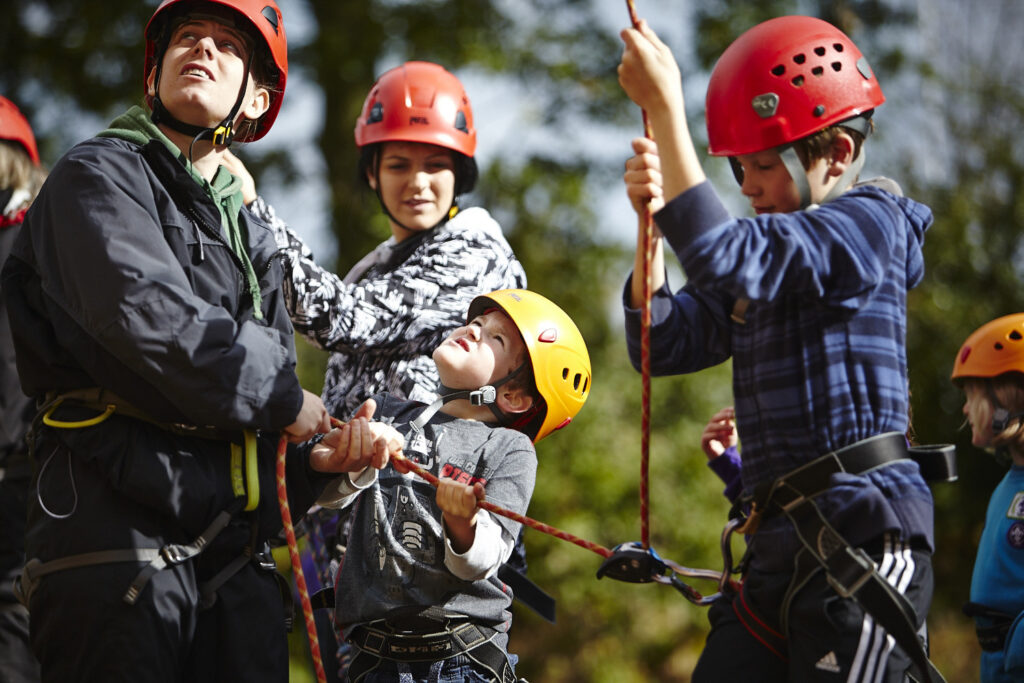
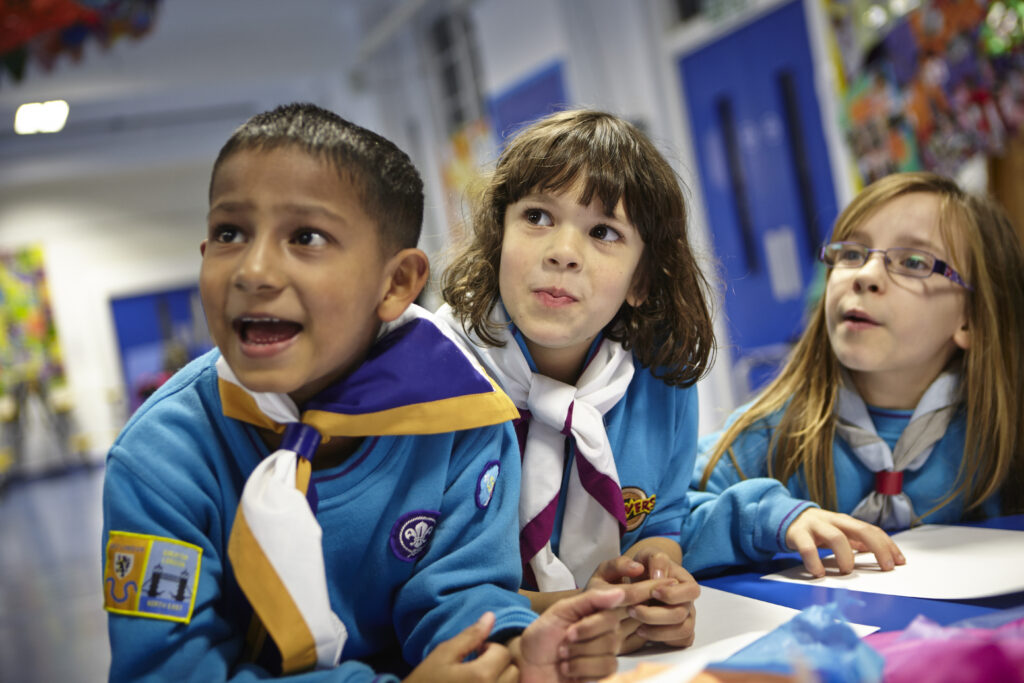
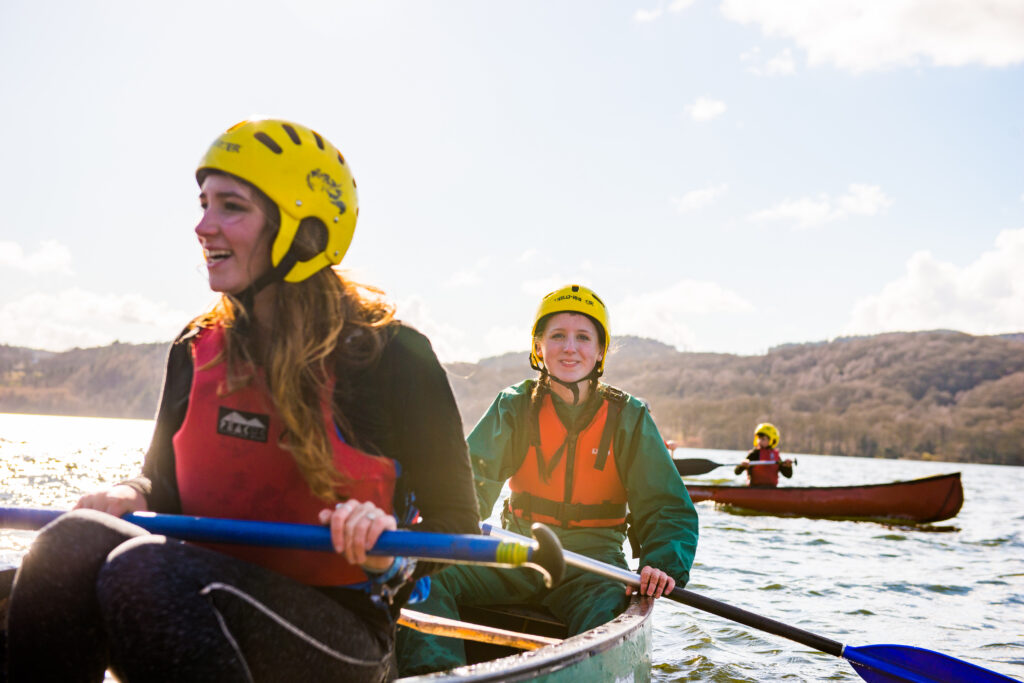
Scouts are do-ers and give-it-a-go-ers. Yes, we go camping, hiking, swimming, abseiling, cycling and canoeing. But we also get to hang out with our friends every week – having fun, playing games, working in a team and taking on new challenges.
Every week we give almost half a million 6-25 year olds the skills they need for school, college, university, the job interview, the important speech, the tricky challenge and the big dreams: the skills they need for life.
We’re talking about teamwork, leadership and resilience – skills that have helped Scouts become everything from teachers and social workers to astronauts and Olympians. We believe in bringing people together. We celebrate diversity and stand against intolerance, always. We’re part of a worldwide movement, creating stronger communities and inspiring positive futures.
Sign up to help your child discover their ‘thing’: from abseiling to coding to performance art and everything in between. Find your local group in the Group Finder below, fill out the form and someone will be in touch soon.
A typical programme
Every Group and Unit is different, but most run a balanced programme that aims to:
- Get outdoors – from games in the park to weekend camps and hikes.
- Build practical skills – such as cooking, navigation, first aid, DIY or bushcraft.
- Encourage teamwork and leadership – working in small teams, planning activities and taking on roles.
- Support the community – through charity projects, environmental work or helping at local events.
- Develop creativity and confidence – with activities like drama, music, crafts and problem‑solving challenges.
Programmes are planned by volunteer leaders, often with ideas from the young people themselves, so no two terms are exactly the same.
An adventure is what you make it
History would have you believe “it “adventure” lies only in epic journeys and mighty sacrifices, but we disagree. Because, for Scouts, real adventure doesn’t have to be showy. It doesn’t have to gloat. It doesn’t have to boast. Instead, more often than not, real adventure starts small and thinks big. It happens slowly but surely. Step by step and brick by brick.
It happens every time a group of ordinary people decide to show up at their local town hall every week, to build something extraordinary together.
Regardless of who you are – whatever your physical ability – there’s an adventure out there waiting for you. And we’ll help you find it.
- Camps and nights away – sleeping under canvas, cooking outdoors and learning to live together as a team.
- Exciting activities – such as climbing, canoeing, sailing, caving or cycling (depending on local provision and age).
- Skills for life – budgeting, communication, time management, CV skills and preparing for interviews (especially at older ages).
- STEM and discovery – simple experiments, technology projects and learning how things work.
- International experiences – contact with Scouts in other countries, international camps or expeditions for older sections.
Not every activity will suit everyone straight away, and that’s fine – leaders support young people to build confidence over time.
How young people shape what they do
Scouts isn’t something that’s just done for young people – they help decide what happens:
- Younger sections choose themes, games and activities they’d like to try.
- Older sections suggest ideas, help plan programmes and sometimes lead parts of meetings or events.
- Network members and many Explorers play a key part in designing and running their own projects and trips.
This approach helps build ownership, confidence and leadership at every age.
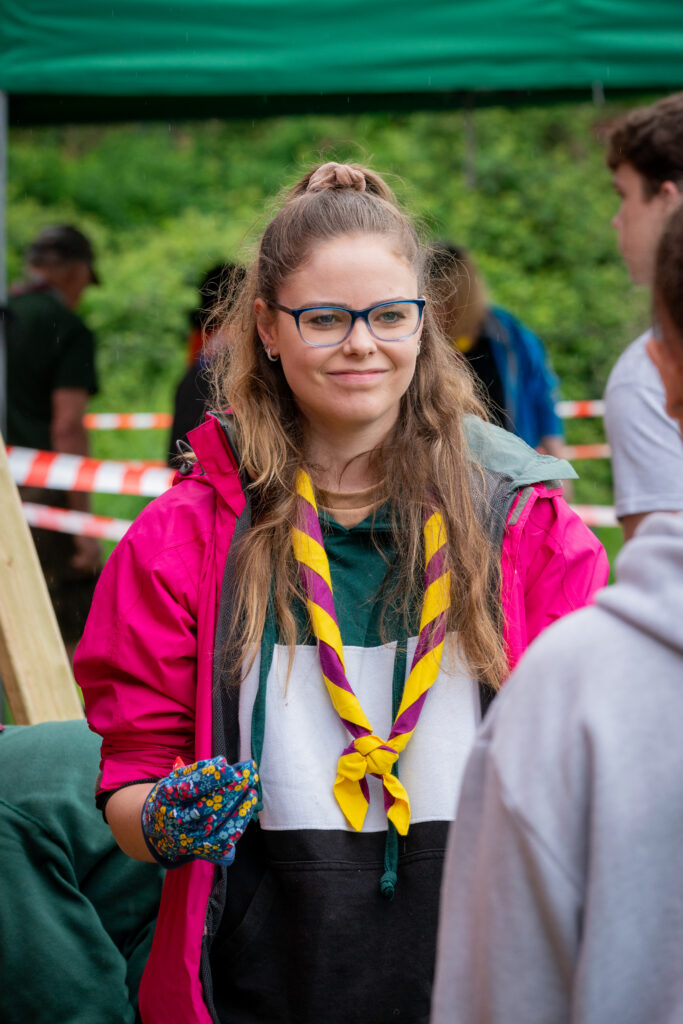
Growing through the sections
Scouts is organised into age-based sections so activities are always safe, age‑appropriate and engaging:

Squirrels (4–6 years)
playful, story‑based sessions that introduce teamwork, trying new things and simple outdoor adventures.

Beavers (6–8 years)
hands‑on activities, games and short visits that build confidence and independence.

Cubs (8–10½ years)
more adventurous activities, practical skills and chances to take responsibility.

Scouts (10½–14 years)
camping, expeditions and planning parts of the programme as a Patrol.

Explorers (14–18 years
greater challenge, leadership opportunities and preparation for adult life.

Network (18–25 years)
young adults shaping their own programme, from social events to top awards.
At each stage, young people build on what they learned before, taking on more responsibility and challenge as they grow.
Getting involved
If you’re interested in Scouts for a young person (or for yourself if you’re 18–25):
- Use the form on our ‘Join Scouts‘ page and we will direct your enquiry to your nearest Scout Group.
- Find your nearest Scout Group on our ‘Find a Group‘ page, navigate to their page and use the contact form to send them an enquiry directly.
- Head to our ‘Contact Us‘ page, complete the “Join Scouting” form and we will direct your enquiry to your nearest Scout Group.
Whether it’s a first camp, learning to cook a meal, planning a community project or taking on an international adventure, Scouts offers something new at every stage of the journey.


